


Choose ProKilnSupply if your purchase starts with matching a pottery, glass, or heat-treating kiln to your application and electrical setup; choose Clay King if your main task is sourcing pottery equipment alongside clay, glazes, and tools. This 2026 comparison separates kiln-fit decisions from general studio shopping so you can choose the retailer that matches the job.
A kiln purchase begins with your material, firing process, and installation—not the retailer’s name. ProKilnSupply is a kiln-focused retailer serving home artists, studios, schools, and commercial shops, with expert phone and text support and delivery guidance.
Clay King serves broader pottery-supply needs. That distinction matters when you are deciding between a specialist equipment conversation and shopping for the materials and tools used throughout a ceramics workflow.
Choose the kiln first, then compare the retailer’s offer for that exact configuration. A different controller, electrical version, or accessory package turns an apparent head-to-head comparison into two different purchases. Keep those details fixed before deciding which seller fits your needs.
| Dimension | ProKilnSupply | Clay King |
|---|---|---|
| Best for | Buyers prioritizing kiln selection, setup, and purchase guidance | Pottery buyers sourcing equipment and everyday studio supplies |
| Material scope | Pottery, glass, and heat-treating equipment | Pottery-centered shopping |
| Pottery supplies | Kilns, accessories, and studio equipment | Clay, glazes, tools, and pottery equipment |
| Standout feature | Kiln-focused fit guidance with expert phone/text support | Breadth across the pottery workflow |
| Electrical fit | Match the selected kiln to the installation | Match the selected kiln to the installation |
| Delivery and warranty | Delivery guidance and manufacturer warranty; confirm order-specific terms | Confirm order-specific delivery and manufacturer warranty terms |
| Pricing model | Equipment purchase, with financing when eligible | Retail purchase of equipment and supplies |
| Repeat purchasing | Strong fit when your next need is kiln-related | Strong fit when your next need is pottery materials or tools |
Best for: a home artist, school, or studio choosing a kiln rather than replenishing supplies. The specialist retailer’s stated service centers on fit guidance for new kilns, accessories, and studio equipment. That gives you a clear starting point when your uncertainty is technical.
Bring a firing brief to the conversation. Describe your material, intended firing range, largest piece, usual load, and available installation space. If you teach classes, explain how work arrives in batches and who will load and operate the kiln.
The advantage is relevance: your purchase conversation starts with the firing equipment. The limitation is that a kiln-focused retailer is not automatically the best destination for every item used in a pottery studio.
Clay King fits a different purchasing brief. If you already know which equipment you need and are also selecting clay, glazes, and tools, a broader pottery supplier brings those categories into the same shopping process.
For a 2026 equipment purchase, write down the unresolved decision before browsing. If it is kiln size, material suitability, or installation, start with specialist guidance. If it is selecting supplies for an established ceramics workflow, start with the pottery-supply retailer.
A ceramics kiln, a glass kiln, and a heat-treating oven are not interchangeable simply because each uses controlled heat. Chamber geometry, loading access, firing programs, and the intended process all affect suitability. Match the equipment to the work.
The specialist’s stated range covers pottery, glass, and heat treating, including brands such as Olympic, Evenheat, Jen-Ken, and Aim. That scope is useful for glass artists and metalworkers who need an equipment discussion outside ordinary pottery purchasing.
Clay King is the more natural starting point for a pottery-centered shopping list. Its broader ceramics focus becomes an advantage when the equipment decision sits alongside material and tool selection, rather than a separate glass or metalworking application.
Neither retailer’s category label replaces model-level checks. Ask whether the specific kiln supports your intended process, whether your work fits with the required furniture, and whether the manufacturer’s instructions match your planned installation.
Do not choose a dual-purpose kiln based on temperature alone. If you plan to fire more than one material, get the manufacturer’s application requirements for each process before ordering. A chamber that accommodates the object still needs to support the firing method.
Best for: a pottery studio building or replenishing its materials-and-tools list. Clay King’s pottery-supply scope makes it a logical choice when you need clay, glazes, tools, and equipment as part of the same buying task.
That is a genuine advantage over starting every studio purchase with a kiln specialist. A ceramics workflow includes forming, drying, decorating, firing, and finishing; the kiln is only one part of it. Your supplier choice should reflect the current task.
The tradeoff is that catalog breadth does not establish the best kiln configuration for your room or firing schedule. Keep material shopping separate from electrical and installation approval, even when both purchases happen through the same retailer.
The specialist retailer also sells studio equipment and accessories, so the distinction is not equipment versus no equipment. It is the center of the purchase: resolving a firing-equipment decision or selecting pottery supplies across the workflow.
A practical approach is to maintain separate lists for installation-critical equipment and repeat-use supplies. You do not need to force every purchase through one seller. Choose each retailer for the problem it addresses.
Expert phone and text support is part of the specialist retailer’s stated offer. Use it to resolve specific questions, not to ask whether a kiln is generally good. A useful answer connects a model to your material, load, and setup.
Prepare a short decision brief before contacting either seller:
A clear brief makes the response easier to assess. Ask for the selected configuration and supporting manufacturer documentation in writing, then check that the order matches them.
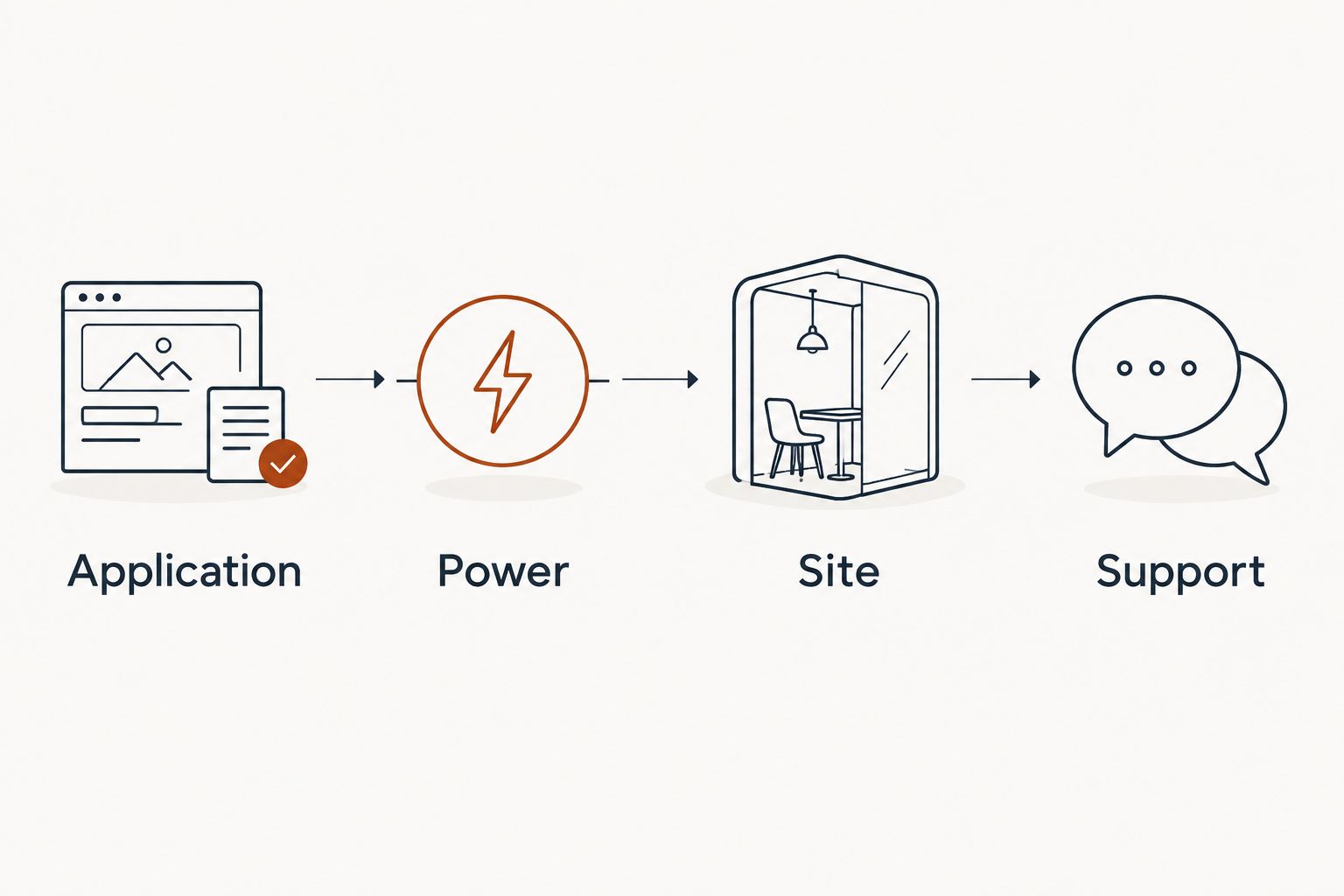
Clay King remains a sensible choice for an experienced pottery buyer with an established equipment specification. In that situation, you are evaluating fulfillment and order terms rather than seeking a new application recommendation.
The useful distinction is specialist guidance versus a settled shopping list—not good support versus bad support. Do not infer response speed, technical depth, or after-sales performance from either retailer’s catalog alone.
Neither retailer changes the electrical requirements of an identical manufacturer configuration. Voltage, phase, current requirements, connection type, and installation instructions belong to the kiln specification. This dimension has no retailer-level winner.
Electric kilns are sold in configurations that include 120 V, 208 V, and 240 V. Those are electrical supply ratings, not interchangeable options. A familiar-looking receptacle does not establish that a circuit is suitable.
Ask a qualified electrician to compare the building supply with the exact manufacturer requirements. Do not select a breaker or conductor size from a retailer comparison article, and do not assume an adapter makes an incompatible installation acceptable.
For schools and shared studios, involve the facilities team before the equipment order. Document the proposed location, electrical work, ventilation plan, access restrictions, and responsibility for installation approval. Keep that record with the equipment specification.
For your 2026 shortlist, eliminate configurations that do not fit the approved installation. Only then compare sellers. A retailer recommendation cannot compensate for the wrong electrical version or an unsuitable firing location.
There is no blanket delivery or warranty winner without matching the actual order terms. The specialist retailer states delivery guidance, qualifying free freight shipping, and manufacturer warranty among its purchase reassurances. Confirm which terms apply to the equipment and destination you select.
Ask Clay King for the corresponding terms on the same configuration. Do not assume that a familiar brand, similar product listing, or comparable checkout process produces identical freight service or warranty handling.
Your delivery questions should address practical responsibilities:
Manufacturer warranty and retailer assistance are separate considerations. Read the manufacturer’s coverage and exclusions, then ask the seller how a warranty request begins and which documents you should retain.
In 2026, build a receiving plan alongside the purchase plan. Measure the route through doors and corridors, identify obstacles, and arrange the people or equipment needed to move the kiln safely. Freight delivery is not the same task as final installation.
Both retailers sell equipment through a retail purchase model. The specialist also states financing when eligible and price-match reassurance. These are purchasing options, not evidence that every order has the same terms or that either retailer always wins on cost.
For an outright purchase, keep the configuration and included items fixed. For financing, check eligibility and the agreement’s terms before treating it as part of your budget. Financing changes the payment arrangement; it does not change whether the kiln fits your work.
Compare the complete order scope:
The tradeoff is straightforward. An outright equipment purchase keeps the transaction structure simple; eligible financing spreads the payment obligation under its agreement. Neither route removes electrical work, ventilation, or receiving preparation from your project.
For a 2026 comparison, request like-for-like order details before applying a price-match policy. Confirm the policy’s current conditions rather than assuming that different packages qualify as equivalent purchases.
After installation, your next purchase determines which retailer is most useful. If you need clay, glaze, or pottery tools, Clay King’s broader pottery-supply focus matches that task. That is a different decision from buying the kiln itself.
If your next need is kiln-related equipment or an accessory, return to the exact manufacturer and model information. Compatibility matters more than staying loyal to the seller of your last order. Check the documentation before selecting a replacement component.
For a school or shared studio, keep the kiln model, serial information, electrical configuration, manuals, and purchase records together. Record maintenance and faults so the person seeking help can describe the equipment accurately.
The specialist’s kiln focus is useful for equipment questions; Clay King’s pottery breadth is useful for recurring materials shopping. Neither advantage requires an exclusive supplier relationship. Buy according to the task rather than treating one retailer as the answer to every studio need.
ProKilnSupply is best for kiln buyers who need application, electrical-fit, and delivery guidance. Choose this kiln retailer when you are selecting equipment for a home studio, school, glass practice, or heat-treating application and want expert phone or text support around the purchase.
Bring the material requirements, electrician-confirmed supply details, load dimensions, and installation constraints. Ask for a configuration recommendation, then confirm manufacturer warranty, qualifying freight terms, and any eligible financing before ordering.
Clay King is best for pottery buyers shopping across clay, glazes, tools, and equipment. Choose it when the equipment specification is already settled or when your immediate need is stocking the wider ceramics workflow.
Keep the kiln decision disciplined even within a broader shopping list. Confirm the exact configuration, installation requirements, delivery responsibilities, and warranty process separately from your material and tool selections.
| Dimension | Winner |
|---|---|
| Kiln-first purchasing with unresolved fit questions | Specialist retailer |
| Pottery, glass, and heat-treating selection brief | Specialist retailer |
| Clay, glaze, and pottery-tool shopping | Clay King |
| Stated kiln-focused phone/text guidance | Specialist retailer |
| Electrical requirements of an identical kiln | Tie: manufacturer specification governs |
| Delivery and warranty comparison | Order-specific terms decide |
| Purchase and financing terms | Exact agreement decides |
| Repeat pottery-material purchases | Clay King |
Is ProKilnSupply or Clay King better for buying a kiln?
ProKilnSupply fits buyers prioritizing kiln selection and setup guidance; Clay King fits pottery buyers shopping for equipment alongside clay, glazes, and tools. Compare the exact kiln configuration and order terms before choosing a seller.
Which retailer is better for a beginner pottery studio?
A kiln specialist fits a beginner whose main uncertainty is firing equipment and installation; Clay King fits a beginner selecting broader pottery supplies. Start with your unresolved decision rather than trying to buy everything from one retailer.
Which retailer should a glass artist consider first?
The kiln specialist is the direct starting point for a glass-equipment purchasing brief because its stated range includes glass kilns. Confirm the selected model against your glass process, work dimensions, power supply, and ventilation requirements.
Will the same kiln perform differently depending on the retailer?
The retailer does not change the specifications of an identical manufacturer configuration. Compare the electrical version, controller, options, and included accessories to establish that you are evaluating the same equipment.
Can I plug a kiln into an ordinary household outlet?
Only connect a kiln to a supply that meets its exact manufacturer requirements and applicable electrical rules. Have a qualified electrician confirm the circuit and connection; a household outlet is not proof of suitability.
Does free freight shipping include moving a kiln into my studio?
Do not treat freight shipping as a promise of indoor placement or installation. Confirm the delivery point, unloading arrangements, access requirements, and responsibility for moving the equipment before ordering.
How should I compare kiln purchase costs in 2026?
Compare the same kiln configuration with the same included equipment and delivery service. Account separately for electrical work, ventilation, and installation, and read any financing agreement before choosing a payment arrangement.
Before ordering, draw the usable shelf area and place outlines of your typical work on it. Include posts and the clearances required by the manufacturer. Chamber dimensions alone do not show how a real load fits.
Repeat the exercise with your tallest or widest piece. A kiln that fits your normal load is a better starting point than a retailer ranking. Take that layout into the purchasing conversation and use it to check the recommendation.
{"one"=>"Select 2 or 3 items to compare", "other"=>"{{ count }} of 3 items selected"}