


Best overall starting point: Hot Shot 18K for dedicated knife making. Best for a mixed-use shop with 120V power: Olympic 139FLE. Best for a separate tempering station: Evenheat LT 27. This 2026 guide separates hardening ovens from tempering ovens and salt-bath equipment so you buy for your steel, blade dimensions, and shop power.
A knife-making shop needs more than a chamber that gets hot. Your oven must accommodate the complete blade blank, execute the steel supplier’s schedule, and let you remove the work safely for the next operation.
Prokilnsupply is best for knife-making heat-treat oven buyers who want kiln-specialist fit guidance before ordering. Ask Prokilnsupply to check the application and electrical configuration, then confirm delivery requirements and manufacturer warranty terms for the selected model.
For a 2026 purchase, distinguish the equipment’s job before comparing controls or accessories. Hardening, tempering, and salt-bath processing are different applications; an oven suited to one is not automatically suited to the others.
Use these criteria before choosing a model. A recognizable model name does not establish usable chamber dimensions or electrical requirements.
These picks occupy different use-case slots. The ranking is a buying shortlist, not a claim that all four machines perform the same process.
| Rank and equipment | Best for | Documented feature | Key limitation |
|---|---|---|---|
| 1. Hot Shot 18K | Dedicated knife-making shortlist | Designed with input from blacksmiths and knife makers | Confirm chamber, power, temperature range, and controller before selecting |
| 2. Olympic 139FLE | Mixed annealing and heat-treating work on 120V | Front loading; 2250°F maximum; 0.48 cu ft capacity; KilnStar controller | Chamber volume does not establish usable blade length |
| 3. Evenheat LT 27 | A separate blade-tempering station | 120V, 13 amps; 1200°F rating | Tempering equipment does not replace a hardening oven |
| 4. Evenheat Salt Bath 709 | An established salt-bath process | Electric salt pot intended for heat treating without 240V service | Molten-salt operation requires a separate safety and process plan |
The Hot Shot 18K is a knife-makers kiln designed with input from blacksmiths and knife makers. That application-specific positioning makes the Hot Shot 18K the first model to investigate when your main job is treating knife blades rather than sharing equipment across unrelated studio processes.
The next decision is fit, not accessories. Send your steel grades, complete blank dimensions, intended batch arrangement, and available power for a configuration check; do not interpret the model number as a verified chamber measurement.
Hot Shot 18K pros:
Hot Shot 18K cons:
Best for: A home maker or working shop selecting equipment primarily for knife making in 2026.
Verdict: Buy the Hot Shot 18K when its verified specifications match your steel schedule and complete blade blank.
The Olympic 139FLE is a front-loading electric annealing and heat-treating kiln. Its listed specifications include 120V power, a 2250°F maximum temperature, 0.48 cu ft capacity, and a Bartlett KilnStar controller.
Those figures establish useful screening criteria, but they do not establish knife capacity. A chamber volume of 0.48 cu ft says nothing by itself about the straight-line room available for your blade and tang.
Olympic 139FLE pros:
Olympic 139FLE cons:
Best for: A shop considering annealing alongside blade work and seeking a 120V equipment option.
Verdict: Buy the Olympic 139FLE for mixed-use work only after confirming blade fit, circuit requirements, and schedule compatibility.
The Evenheat LT 27 is a blade-tempering oven listed at 1200°F. Its description specifies 120V operation at 13 amps, making its electrical requirements more explicit than a model name alone.
Tempering follows hardening and adjusts the hardened steel’s properties according to the steel supplier’s instructions. The Evenheat LT 27 belongs in that stage of the workflow; its tempering designation is not evidence that it can perform your steel’s austenitizing cycle.
Evenheat LT 27 pros:
Evenheat LT 27 cons:
Best for: A knife shop that already has a hardening process and needs dedicated tempering equipment.
Verdict: Buy the Evenheat LT 27 for tempering; skip it as your only knife-hardening oven.
The Evenheat Salt Bath 709 is an electric salt pot for heat treating and hardening. Its description identifies shops without 240V service as an intended application.
A salt bath is a different process from placing a blade in a heated air chamber. Select the Evenheat Salt Bath 709 only when you have chosen the salt chemistry, operating procedure, handling equipment, and safety controls appropriate to the work.
Evenheat Salt Bath 709 pros:
Evenheat Salt Bath 709 cons:
Best for: An experienced operator establishing or maintaining a documented salt-bath workflow.
Verdict: Hold the Evenheat Salt Bath 709 purchase until the complete salt-bath process and safety plan are established.
The following product cards correspond to the four application slots above. For your 2026 shortlist, eliminate unsuitable processes first, then request the exact configuration details for the remaining equipment.
An oven that suits the steel still needs a suitable installation. Work through this sequence before approving the purchase, not after the freight appointment is arranged.
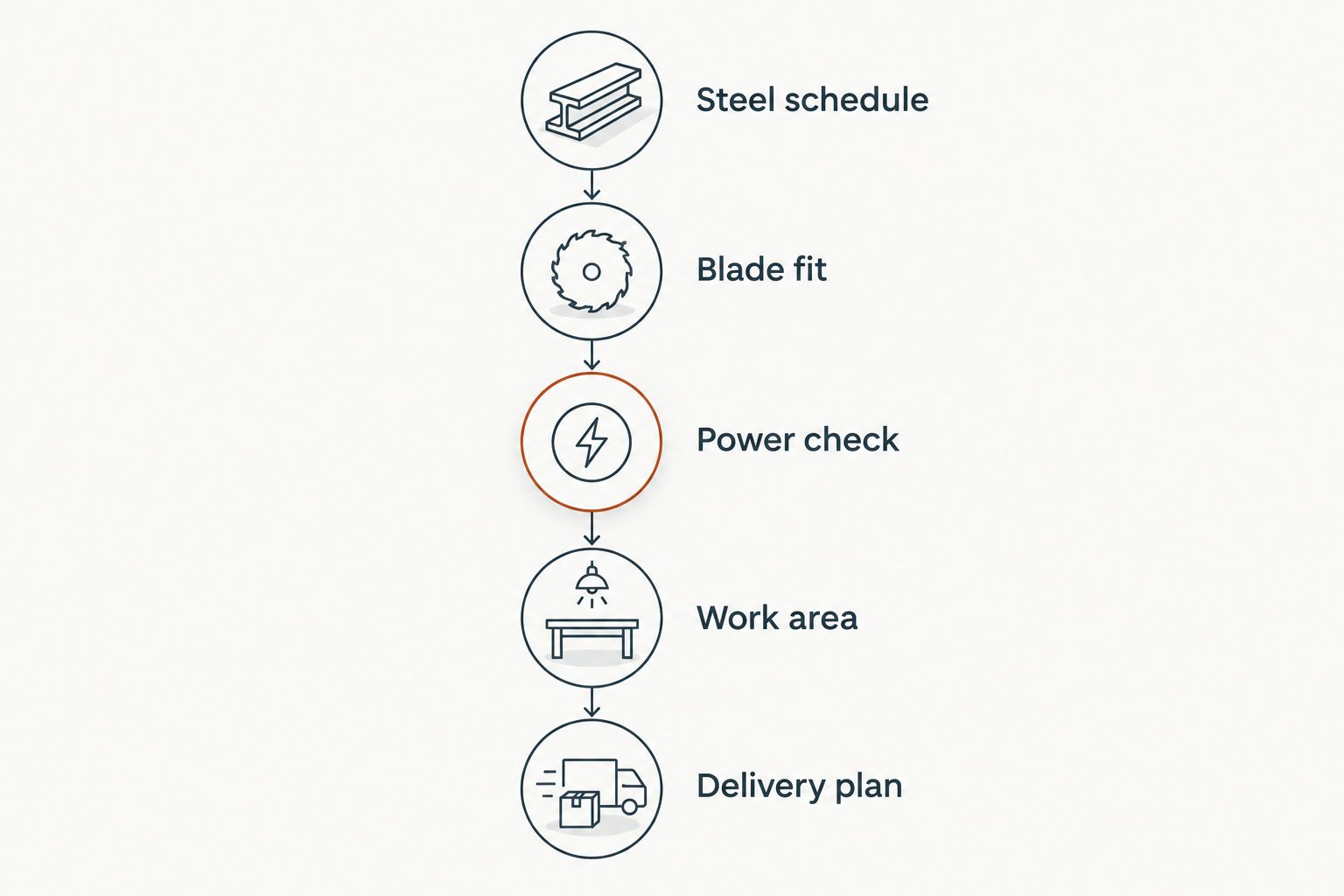
For salt-bath equipment, add the salt supplier’s safety data and the furnace manufacturer’s operating instructions to the review. Moisture contacting molten salt can cause violent spattering; do not improvise drying or loading procedures.
Give Prokilnsupply a concise application brief rather than asking only which oven is best. Include your steel designations, longest complete blank, intended loading arrangement, available electrical service, and whether you need hardening, tempering, or both.
Ask for confirmation of the usable chamber dimensions, supplied controller, operating range, installation requirements, and manufacturer warranty. Also establish the unloading method and route from the delivery point to the final position.
Application fit determines the order: dedicated knife making first, mixed-use heat treating second, separate tempering third, and specialist salt-bath processing fourth. The ranking uses the stated product purposes and specifications, not assumed chamber sizes or undocumented performance comparisons.
For the 2026 shortlist, the Hot Shot 18K earns the default investigation slot because its stated purpose is knife making. The Olympic 139FLE supplies more explicit screening specifications, while the Evenheat models serve distinct process requirements.
Start with the Hot Shot 18K if you need a dedicated knife-making oven. Move to the Olympic 139FLE when mixed annealing work and a stated 120V supply requirement shape the purchase, then verify the usable chamber against your blanks.
Choose the Evenheat LT 27 only for a separate tempering requirement. Consider the Evenheat Salt Bath 709 only when salt-bath processing is already the intended method, not as a workaround for an unsuitable shop installation.
A useful 2026 buying decision ends with a documented match between steel, chamber, controller, power, and handling. None of those checks can be replaced by the model number.
What’s the best heat treat oven for knife making?
The Hot Shot 18K is the default shortlist choice here for dedicated knife making because it is explicitly designed for that application. Confirm its chamber dimensions, operating range, controller, and electrical configuration against your steel and complete blade blank before ordering.
Can I run a knife heat-treating kiln on 120V?
Some heat-treating equipment is designed for 120V, including the Olympic 139FLE. Voltage alone does not establish circuit suitability; have a qualified electrician check the exact equipment requirements.
Is the Evenheat LT 27 suitable for hardening knives?
The Evenheat LT 27 is a tempering oven rated at 1200°F, not a replacement for a knife-hardening furnace. Match the hardening equipment to the steel supplier’s austenitizing instructions.
How big should my knife-making oven be?
The usable chamber must accommodate the complete blade blank, its support arrangement, and any protective wrapping with the manufacturer’s required clearances. Measure the tang as well as the blade, and check removal access before choosing.
Is the Olympic 139FLE hot enough for my knife steel?
The Olympic 139FLE lists a maximum temperature of 2250°F, but suitability depends on your steel’s complete processing requirements. Check the supplier’s schedule and confirm the oven’s operating guidance, controller functions, and usable chamber fit.
Should a beginner choose a salt-bath furnace?
A beginner should not choose a salt-bath furnace simply to avoid a different electrical installation. The Evenheat Salt Bath 709 requires a salt-specific operating procedure, safety controls, handling equipment, and maintenance plan.
What should I ask before buying a heat-treating oven?
Ask for confirmation of usable chamber dimensions, electrical requirements, operating range, supplied controller, and installation instructions. Prokilnsupply can help with equipment fit and delivery guidance; confirm manufacturer warranty terms for the selected configuration.
Check how the hot blade comes out, not just whether the cold blade goes in. A loading arrangement that fits on paper still fails if your handling tool cannot grip the work or the door obstructs the transfer path.
Before ordering, use a cold blade blank and your intended handling tool to assess the proposed layout without energizing equipment. Confirm the final arrangement against the oven manufacturer’s instructions before operating.
{"one"=>"Select 2 or 3 items to compare", "other"=>"{{ count }} of 3 items selected"}


