


Yes—a digital pyrometer is worth it when you need a temperature reading on a manual kiln or a separate measurement to investigate firing problems. For kiln monitoring in 2026, the deciding factors are probe compatibility, temperature range, and what you will do with the reading; a pyrometer does not replace a firing controller, ceramic witness cones, or an independent safety shutoff.
Buy a digital pyrometer to answer a specific firing question, not simply to add another display. It earns its place when you need to track a manually operated kiln, compare temperature readings, or document how a firing progresses.
Start with the distinction between measurement and control. The digital pyrometers for kiln and forge monitoring guide covers the monitoring category; equipment that changes power or fuel flow performs a different job.
| Option | Best for | Main benefit | Main limitation |
|---|---|---|---|
| Standalone digital pyrometer | Manual firing and separate temperature checks | Displays temperature from a compatible probe | Does not regulate the kiln by itself |
| Programmable kiln controller | Running supported firing schedules | Adjusts kiln output using sensor feedback | Its reading represents the sensing location, not every piece |
| Ceramic witness cones | Checking ceramic heatwork near the ware | Show the combined effect of time and temperature | Do not provide a continuous numerical temperature reading |
| Independent overtemperature protection | A manufacturer-approved safety layer | Can interrupt heating when its trip conditions are met | Requires suitable equipment and installation; a display alone cannot do this |
These tools complement each other. A ceramic kiln can need temperature monitoring, programmed control, witness cones, and appropriate safety protection without any one device making the others unnecessary.
A visible temperature is useful only when you understand what it represents. A thermocouple measures conditions at its sensing junction; it does not directly measure every pot, glass piece, or metal part in the chamber.
In 2026, the practical buying question remains straightforward: what information is missing from your current setup? If your controller already provides a reliable display and your firings meet their intended results, another meter needs a defined purpose.
For a manual kiln, temperature visibility helps you follow the firing’s progress. For a controlled kiln, a separate measurement can support troubleshooting—but only after you account for sensor placement, instrument specifications, and probe condition.
A digital pyrometer is most directly useful when you operate a kiln without an existing numerical temperature display. You can observe whether the chamber is heating, holding, or cooling and record readings alongside your firing adjustments.
The limitation is equally important: a temperature display does not automate a manual kiln. You still follow the manufacturer’s operating instructions, attend the firing as required, and use the correct procedure for adjusting the kiln.
For gas firing, temperature is only part of the picture. A pyrometer does not measure the firing atmosphere or confirm that combustion, ventilation, and fuel-system conditions are safe.
Choose this route when the missing information is chamber temperature. If the real goal is unattended schedule execution or automatic output adjustment, investigate approved control equipment instead of expecting a handheld meter to provide those functions.
An additional pyrometer has a narrower role when your kiln already has a digital controller. It can help investigate an unexpected reading or compare conditions at a separate approved sensing location.
However, disagreement between displays is not proof that either instrument is faulty. Different probe positions, response characteristics, and sensor conditions can produce different readings during the same firing.
Do not change a controller offset merely to make two displays agree. First establish what each sensor measures, whether both instruments use the correct thermocouple type, and whether the manufacturer’s calibration procedure applies.
For routine ceramic firing, witness cones near the ware provide a different kind of evidence. They help distinguish a temperature-display concern from a heatwork concern without treating another electronic reading as the final authority.
The Olympic Digital Pyrometer – Kiln Temperature Gauge & Monitor is described as a TPI 343 dual-input K-type thermocouple thermometer with field calibration. Its stated temperature range is −58°F to 2,462°F, also listed as −50°C to 1,350°C.
That makes the stated meter range a useful starting point for your 2026 comparison—not permission to use any attached probe throughout that range. Confirm the actual probe assembly’s temperature rating, atmosphere suitability, connector, and installation requirements before firing.
Best for: buyers seeking a standalone K-type temperature monitor with dual inputs. The main limitation is that meter specifications alone do not establish a complete, kiln-compatible monitoring system.
Dual inputs allow readings from compatible connected sensors. They do not make the instrument a multizone kiln controller, establish whole-chamber uniformity, or automatically provide independent overtemperature protection.
Field calibration is also a feature, not evidence that a particular instrument has been verified against a suitable reference. Follow the instrument’s instructions and the kiln manufacturer’s service guidance before making adjustments.
The value of an extra temperature reading depends on what your kiln already tells you and what your process requires. Use these factors to decide whether monitoring equipment solves your actual problem:
Avoid buying around an unexplained firing defect. Identify whether the concern involves temperature measurement, heatwork, loading, schedule selection, or equipment condition before deciding which tool belongs in the solution.
Use this sequence for a 2026 purchase or retrofit. Keep the kiln manual and the proposed instrument’s specifications together so that you compare the complete setup rather than isolated headline specifications.
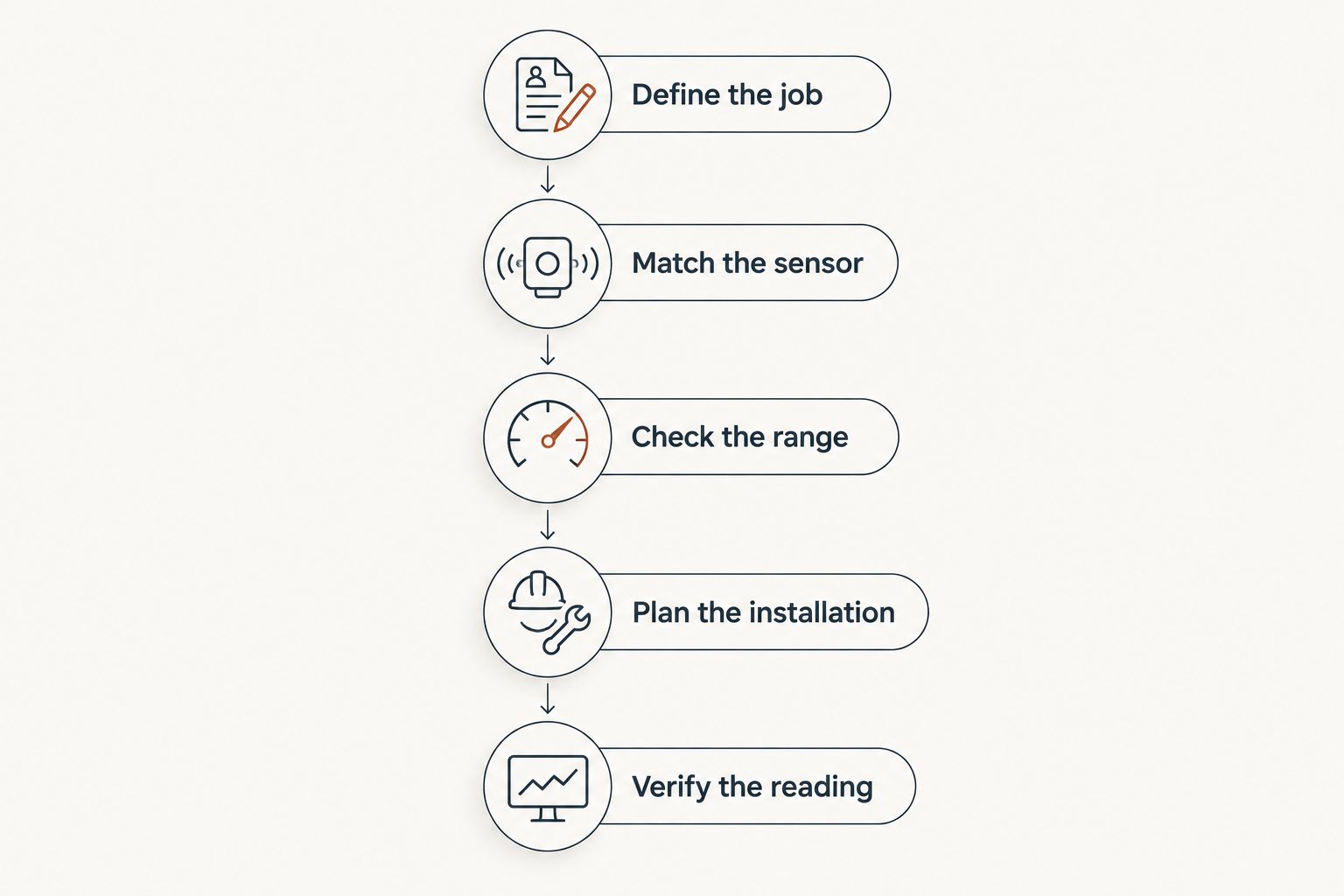
Do not connect an additional meter to the controller’s thermocouple wiring unless the equipment manufacturers explicitly approve the arrangement. Use a separate approved sensing arrangement when required, and leave electrical modifications to qualified personnel.
For purchasing help, ProKilnSupply is best for kiln buyers who need specialist fit guidance before choosing equipment. Send the kiln model, firing application, existing controller details, and the measurement you need; those facts make the equipment discussion useful.
No—a digital pyrometer measures temperature, while ceramic witness cones indicate heatwork. Heatwork reflects the combined effect of time and temperature, so the same displayed endpoint does not establish that different firings gave the ware identical treatment.
Use the cone manufacturer’s instructions to select, position, and interpret witness cones. Place them to answer a meaningful question about the ware rather than assuming a cone near the sensor represents every shelf.
Cones are a ceramic firing check, not a substitute for the specified schedule and verification requirements of glass or metal processing. Choose the verification method for the material you are firing.
No—a standalone temperature monitor does not shut off a kiln merely because it displays a reading. Shutdown requires suitable control or protective equipment connected and installed for that purpose.
Some instruments have additional outputs or alarms, but those functions must be explicitly specified. Never infer remote alerts, data logging, switching capability, or independent protection from the words digital pyrometer.
Treat safe operation as a separate requirement. Follow the kiln manufacturer’s supervision, clearance, ventilation, and shutdown instructions regardless of how many displays you install.
Not for routine temperature visibility if the existing controller already supplies the reading you need. Add a separate instrument when you have a defined measurement task and a compatible, approved installation method.
Before buying, write down the action you would take based on the additional reading. If you cannot name one, inspect the current system and review your firing records first.
Is a digital pyrometer worth it for a home pottery kiln?
Yes, when your home pottery kiln lacks a temperature display or you need a separate measurement for a defined troubleshooting task. It does not replace ceramic witness cones, firing controls, or the kiln manufacturer’s operating instructions.
What temperature range does the Olympic Digital Pyrometer list?
The Olympic Digital Pyrometer lists a meter range of −58°F to 2,462°F, also stated as −50°C to 1,350°C. Confirm the attached probe assembly’s rating separately; the meter range does not establish the probe’s safe operating conditions.
Is a digital pyrometer better than a kiln controller?
A digital pyrometer is better suited to standalone temperature measurement; a compatible kiln controller is suited to controlling kiln output. Choose according to the job, because displaying a temperature and running a firing schedule are different functions.
Can I use any thermocouple with a digital pyrometer?
No, the thermocouple type must match the instrument’s supported input or selected configuration. Check the probe, connectors, extension wire, temperature rating, and atmosphere suitability as a complete system.
Why does my pyrometer disagree with my kiln controller?
A pyrometer and kiln controller can disagree because their sensors occupy different locations or have different response characteristics, conditions, or calibration. Check the setup before changing offsets or declaring either reading correct.
Can I leave my kiln unattended if I add a digital pyrometer?
No, adding a digital pyrometer does not change the kiln manufacturer’s supervision requirements. A temperature display does not automatically provide shutdown, remote alerts, or independent overtemperature protection.
What should I send ProKilnSupply before asking about kiln monitoring?
Send ProKilnSupply your kiln model, firing application, controller details, and the question you need the extra measurement to answer. Include existing thermocouple information and photographs of the approved sensing arrangement when available.
A second display is not necessarily a second independent measurement. If both displays depend on the same sensor, agreement does not independently verify that sensor’s condition or its representation of the load.
Before adding equipment in 2026, write this sentence in your firing log: the extra reading will help me decide whether to _____. Fill in a specific action, then confirm the monitoring system can support it safely. That is a better buying test than adding another number to the kiln room.
{"one"=>"Select 2 or 3 items to compare", "other"=>"{{ count }} of 3 items selected"}